My conflicting thougts on AI in Photography
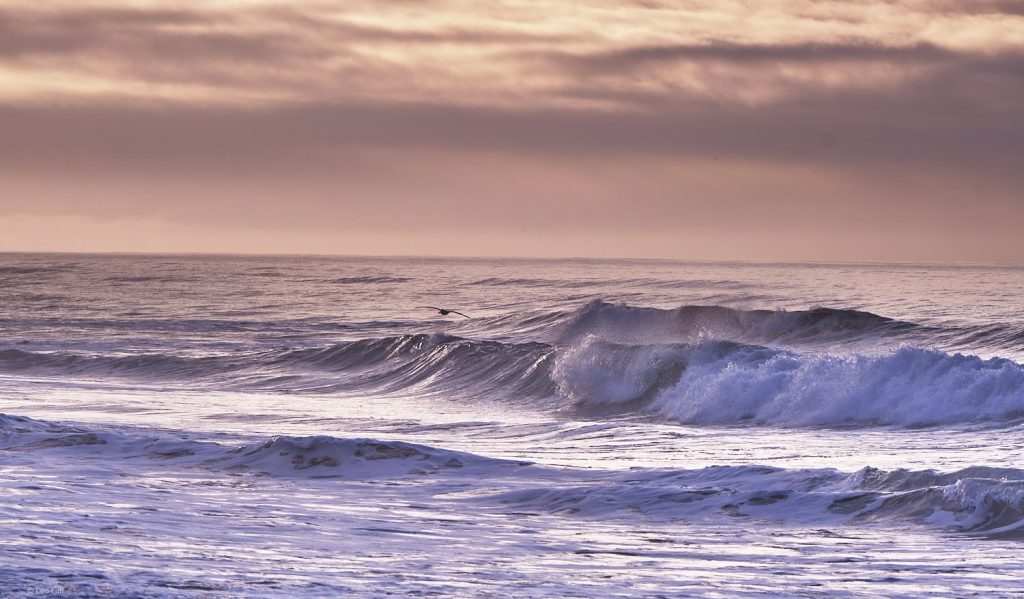
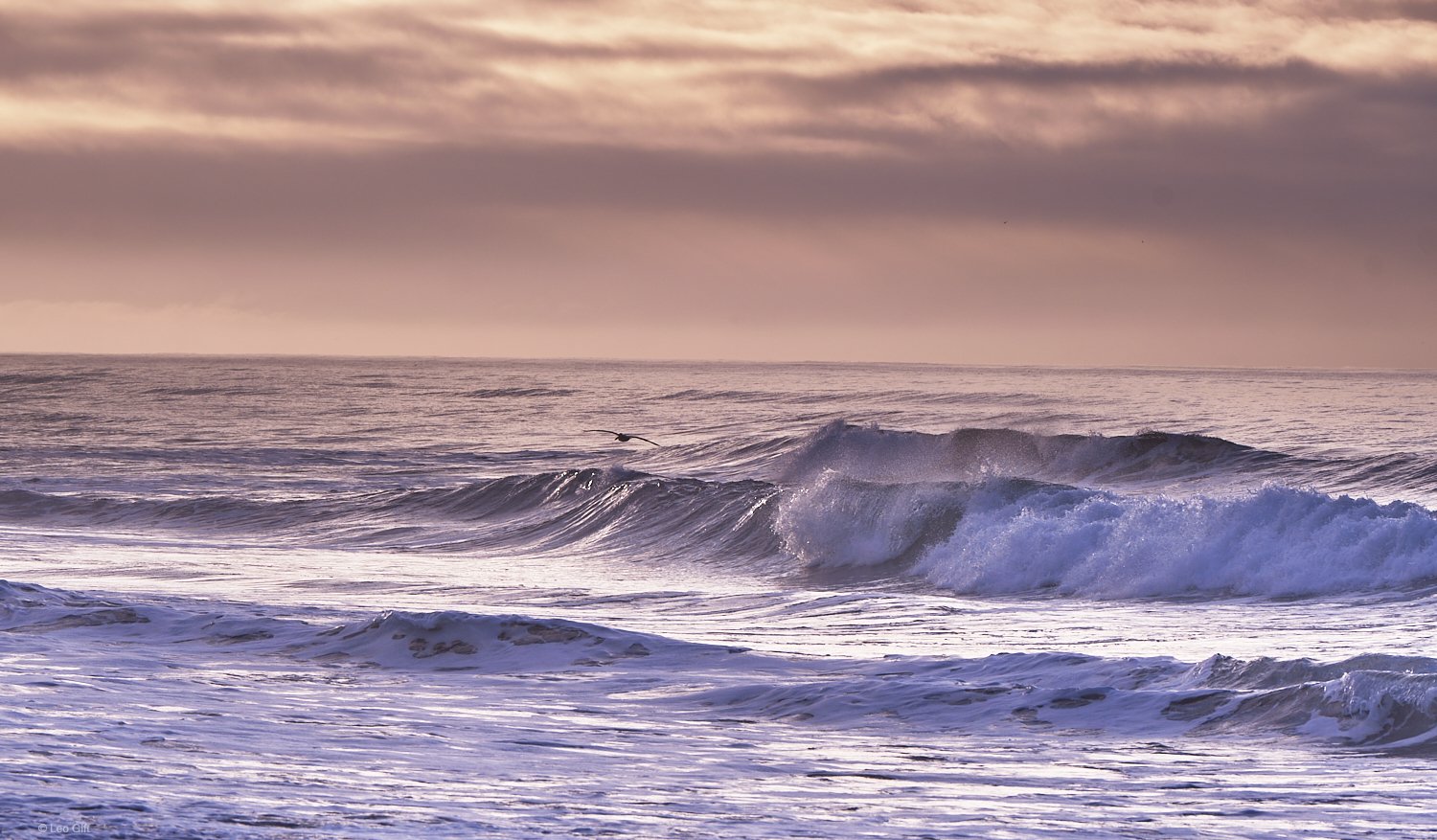
Not an AI generated image
There’s been this huge wave recently of well-established photographers using AI to generate images and honestly the debate around it has been pretty heated. Like a lot of people i have really conflicting opinions on this and i’ve been thinking about it a lot.
To set the stage here – i’m just a hobbyist who has only been photographing for the last 3 years. This isn’t my full time job and in my actual full time work i use AI constantly for research, writing articles, and doing code. It has genuinely made my life a lot easier. It’s been a complete game changer in areas where i used to have to rely on someone else to code something or spend hours trawling through multiple websites to get the data i need. I even used ChatGPT to learn how image generators work for this article, which feels kind of ironic given what i’m about to say.
In this piece i want to focus primarily on the data that’s being used by AI image generators to train their models and the ethical dilemmas that brings up. There are environmental concerns too but i’m not going to get into that here. I can understand using AI to speed up your editing or culling images as a pro photographer but I do not get using AI to generate images as a pro photographer. I can understand a small business owner using that to generate images for their business but again where does this leave the product photographer. As said i have a lot of conflicting thoughs on this.
How This Stuff Actually Works
So i did some reading to understand how image generators actually work. The model gets trained on massive datasets of images – like millions and millions of them. There are some good writeups here and here if you want to dive deeper: There are different models being used but the underlying concept is pretty much the same – it uses huge sets of data for training to arrive at the final model. The images are deleted once the model is perfected. But here’s where the concern comes in – where exactly are these images taken from?
Most of the AI generation models don’t disclose where the training images come from. There’s just this blanket statement that says they use “public datasources, proprietary data and licensed images.” And most companies don’t share any details on how these are obtained and there in lies the problem.
The Part That Really Bothers Me
If i’m a photographer posting publicly on Instagram, my images can be scraped by a dataset builder and that dataset can be used by an AI company. Because there’s no disclosure, no one knows where these images are actually taken from.
The really frustrating part about all this is seeing photographers who built loyal followings on Instagram by publishing original creative work now turning to AI to generate versions of their own images. The AI might very well have been trained on their own work which is kind of wild when you think about it.
Where the real angst comes from though is new and upcoming photographers who were inspired by these established pros. Now those same pros are touting AI which will very likely stall the growth of people trying to come up the traditional way. It feels like pulling up the ladder behind you.
There’s No Level Playing Field
But as with everything in life there’s no level playing field. I’ve been thinking about what can actually be done and here’s what i’ve come up with:
Stop posting on public platforms and move to your own website with safeguards. This is way easier said than done because it might not bring the kind of growth you want. But i am seeing this more and more from photographers who are slowly moving to their own websites or Substacks. It’s a trade-off between exposure and control.
Follow and support creatives who are original and not using AI. Support their Substack, their websites, buy their prints. Put your money and attention where your values are.
Add tags and IPTC metadata to your images to at least signal that you don’t give permission for AI to use your work for training. Not sure how effective this will actually be but at least you’ve done something to state your position clearly.
Stay aware of legislation. Again not sure how effective our individual lobbying is going to be but at least be aware of what’s happening. My understanding is that California is the only state to enact a law that demands transparency on AI models. You can read the bill here:
Where I Land on This
Look, i use AI every day in my work and it genuinely helps me. But there’s something that feels different about using it for the creative process itself versus using it as a tool to make other work more efficient. Maybe that’s hypocritical, i don’t know. I’m still working through my own thoughts on where exactly that line should be.
What i do know is that the lack of transparency around training data bothers me a lot. And seeing established photographers pivot to AI after building their careers on original work – especially when that AI was likely trained on work from their peers and followers – that doesn’t sit right with me.
In my next post i’ll share what i actually did on my own website and with my images to make them more AI-resilient. It’s not perfect but it’s something